Bioscience
A Cure from Their Bellies
Scientific Context
The Bioactive Properties of Honey
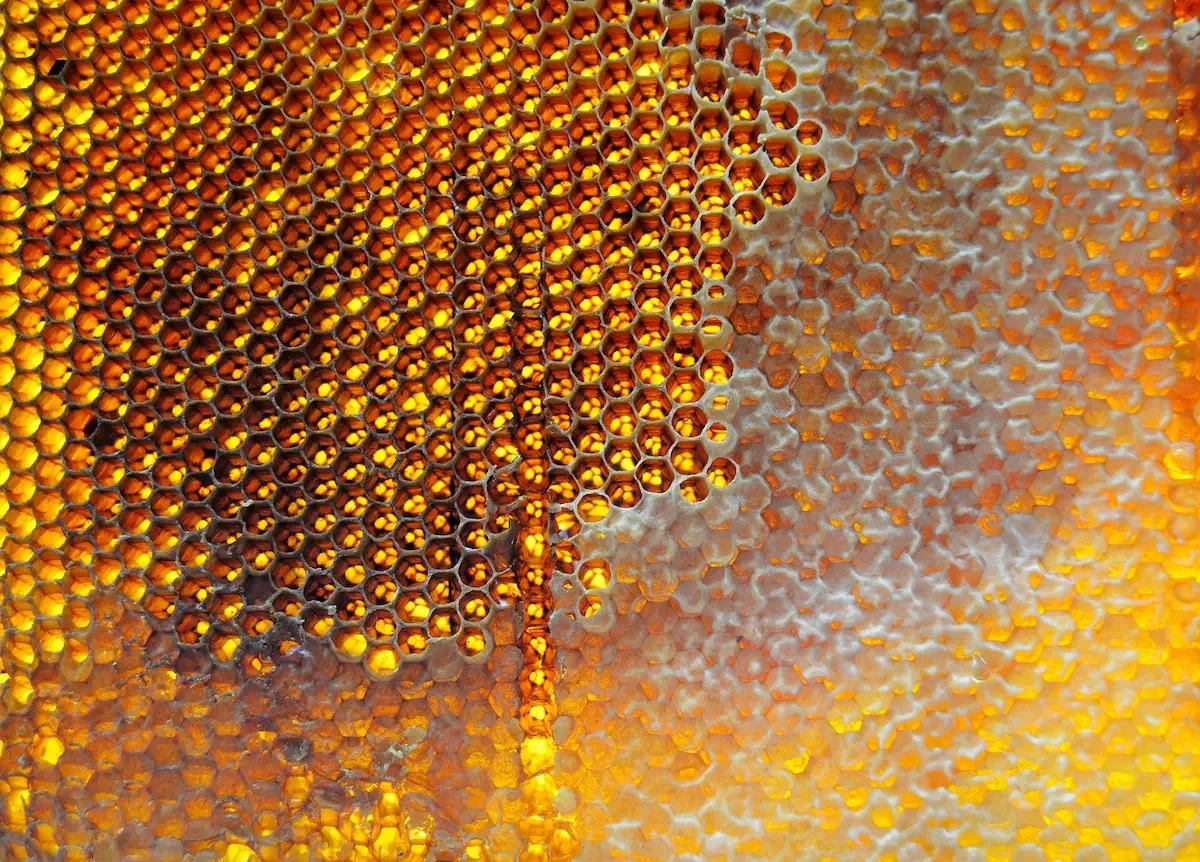
Natural honey is a highly complex biological substance containing over two hundred distinct compounds, including vitamins, enzymes, amino acids, and minerals. For decades, modern medical researchers have investigated its therapeutic mechanisms, particularly its broad-spectrum antimicrobial activity. A key contributor to this effect is hydrogen peroxide, which is continuously generated in low, non-toxic concentrations through the activity of the enzyme glucose oxidase, deposited into the nectar by the honeybee. This steady, low-dose release effectively disrupts bacterial cell walls without damaging healthy human tissue.
Beyond hydrogen peroxide, honey possesses several non-peroxide antibacterial factors that remain active even under heat or light exposure. Chief among these is the presence of phytochemicals, such as flavonoids and phenolic acids, which act as potent antioxidants. These compounds neutralize free radicals, thereby reducing inflammation and protecting cells from oxidative stress. Additionally, honey has a remarkably low pH—typically between 3.2 and 4.5—and a high sugar concentration. This high osmolarity draws moisture out of bacterial cells through osmotic pressure, dehydrating and killing pathogens, which prevents infection in wounds.
In clinical trials, researchers at institutions like the University of Amsterdam have demonstrated that honey can eradicate highly resistant bacterial strains, such as methicillin-resistant Staphylococcus aureus (MRSA). When applied to chronic wounds or burns, honey stimulates tissue regeneration by promoting angiogenesis—the formation of new blood vessels—and encouraging epithelial cell growth. The presence of organic acids and trace elements works in tandem to create a protective, moist healing environment that accelerates recovery while minimizing scar tissue formation.
Islamic Context
وَأَوْحَىٰ رَبُّكَ إِلَى النَّحْلِ أَنِ اتَّخِذِي مِنَ الْجِبَالِ بُيُوتًا وَمِنَ الشَّجَرِ وَمِمَّا يَعْرِشُونَ ٦٨ ثُمَّ كُلِي مِن كُلِّ الثَّمَرَاتِ فَاسْلُكِي سُبُلَ رَبِّكِ ذُلُلًا يَخْرُجُ مِن بُطُونِهَا شَرَابٌ مُّخْتَلِفٌ أَلْوَانُهُ فِيهِ شِفَاءٌ لِّلنَّاسِ إِنَّ فِي ذَٰلِكَ لَآيَةً لِّقَوْمٍ يَتَفَكَّرُونَ ٦٩
And your Lord inspired to the bee, "Take for yourself among the mountains, houses, and among the trees and in that which they construct. Then eat from all the fruits and follow the ways of your Lord made easy. There emerges from their bellies a drink, varying in color, in which there is healing for the people. Indeed, in that is a sign for a people who give thought.
— Quran 16:68-69
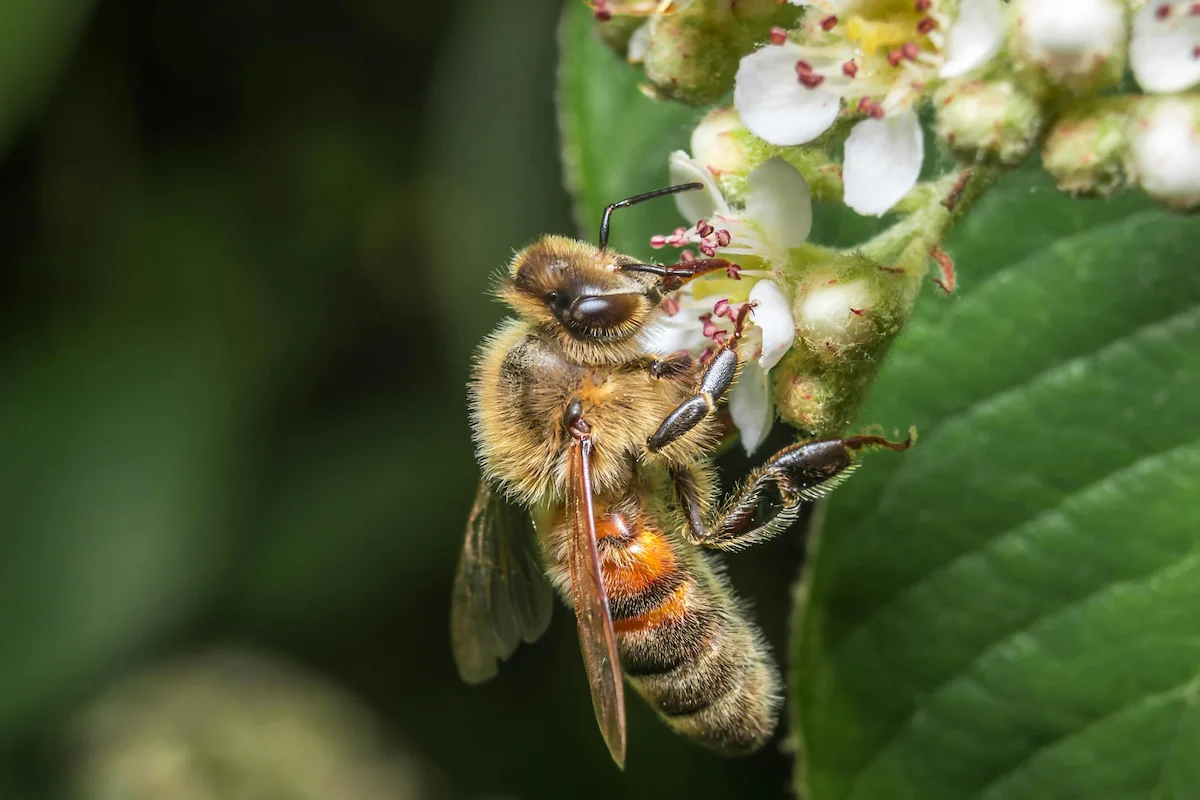
In this verse, the Quran directs attention to the biological output of the bee, utilizing specific linguistic choices that enrich the depth of the statement. The text describes the honey as a "drink" (sharab), a term that denotes its fluid nature, and emphasizes its diversity by noting it is "varying in colors" (mukhtalifun alwanuhu). This variation corresponds to the diverse flora the bee consumes, indicating that the final substance carries properties derived from its varied environmental sources.
The central declaration regarding this fluid is the phrase "in which there is healing for people" (fihi shifa'un lin-nas). The word shifa' is utilized as an indefinite noun (nakirah) in Arabic grammar. Classical commentators note that this grammatical form carries a specific rhetorical weight. Ibn Kathir (d. 1373) observes that the indefinite formulation signifies that honey contains a curative or therapeutic quality for a vast array of ailments, rather than acting as a singular panacea for every specific sickness. It indicates a broad, intrinsic healing potential embedded within the substance itself.
Furthermore, early scholars highlighted the comprehensive nature of this phrase. Al-Qurtubi (d. 1273) notes that the verse establishes honey as both a preventative and a remedial substance, pointing out that its dietary value is intertwined with its medical utility. The language focuses on the structural purpose of the liquid, framing it not merely as a sweet byproduct of the insect's activity, but as a deliberate, functional creation designed to interact beneficially with human physiology.
Prev Post
Next Post
The Connection
The Quranic text describes a fluid emerging from the bee that varies in appearance and contains an inherent healing capacity for human ailments. Decades of modern biochemical evaluation have revealed that natural honey is an intricate matrix of enzymes, organic acids, and antioxidants that actively destroy resistant pathogens, reduce inflammation, and accelerate tissue repair. Far from being a simple, static sweetener, honey is recognized by science as a dynamic, multi-mechanism therapeutic agent.
Related Connections