Neuroscience
Healing Hands
Scientific Context
The Neurobiology of Healing Touch
The human hand is a sophisticated sensory organ capable of modulating physiological processes in the body beneath it. Modern neuroscience and clinical medicine have accumulated substantial evidence that intentional touch applied to an area of injury or pain produces measurable improvements in healing rate, pain reduction, and overall recovery. Placing hands on the body is far more than symbolic comfort—it is a biologically active intervention with quantifiable effects on tissue repair and neurological function.
At the cellular level, mechanical stimulation directly influences gene expression. A landmark study by Kanazawa and colleagues (2009) demonstrated that cyclical stretching of skin-derived fibroblasts—the cells responsible for wound repair—downregulated connective tissue growth factor (CTGF) production by approximately 50 percent. Since CTGF is a key mediator of fibrosis, this provides a molecular mechanism by which hands-on therapy can accelerate regeneration and reduce scarring.
The clinical evidence is compelling, even for notoriously difficult-to-treat conditions. Researchers at the Karolinska Institutet (2016) found that "caring touch" administered to trauma patients functioned as a physical anchor, significantly reducing pain and post-traumatic stress. Similarly, randomized trials involving fibromyalgia and sickle cell disease—conditions involving some of the most severe acute pain known in medicine—demonstrate that hands-on intervention produces rapid, statistically significant drops in pain and sustained reductions in stress.
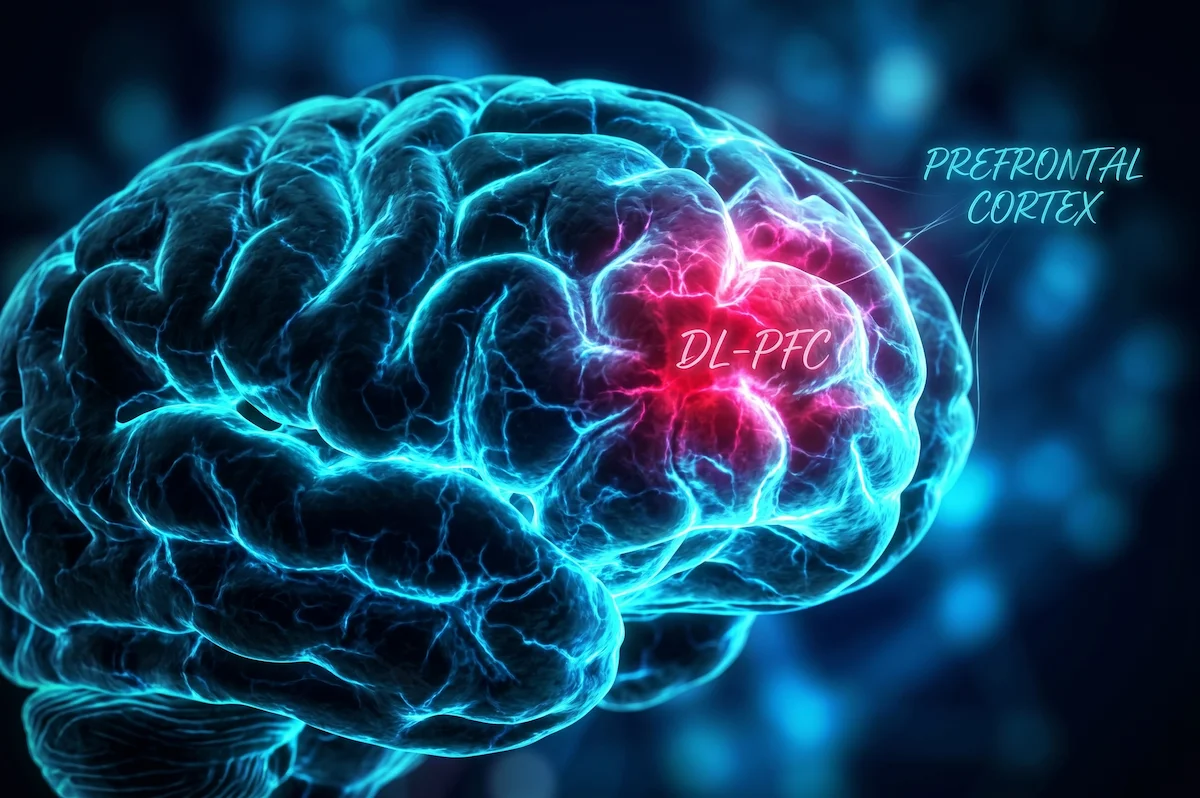
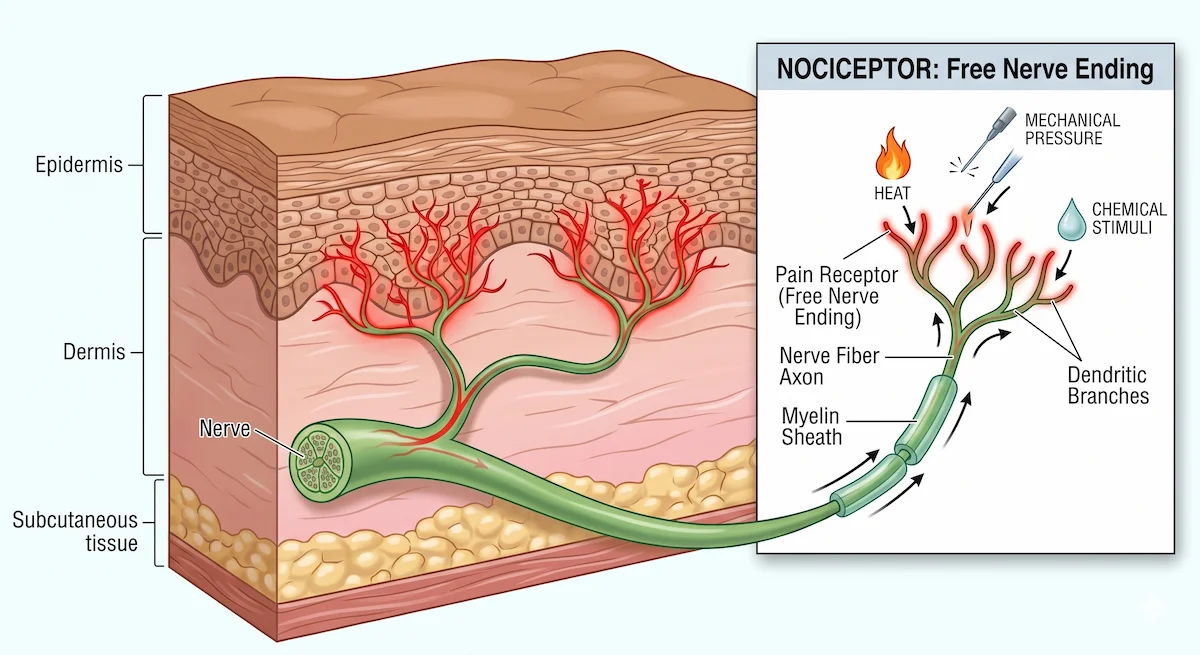
These outcomes are underpinned by established neurophysiology. Touch activates large-diameter A-beta sensory fibers, which inhibit nociceptive (pain) signal transmission through the spinal cord. Simultaneously, tactile stimulation triggers the release of oxytocin—promoting vasodilation and anti-inflammatory effects—while suppressing cortisol, the stress hormone that impedes tissue repair. The combined result is an environment primed for recovery: blood flow increases, immune function optimizes, and the perception of pain is neurologically dampened.
Islamic Context
عَنْ عُثْمَانَ بْنِ أَبِي الْعَاصِ الثَّقَفِيِّ أَنَّهُ شَكَا إِلَى رَسُولِ اللَّهِ ﷺ وَجَعًا يَجِدُهُ فِي جَسَدِهِ مُنْذُ أَسْلَمَ- فَقَالَ لَهُ رَسُولُ اللَّهِ ﷺ: ضَعْ يَدَكَ عَلَى الَّذِي تَأَلَّمَ مِنْ جَسَدِكَ وَقُلْ بِاسْمِ اللَّهِ ثَلَاثًا- وَقُلْ سَبْعَ مَرَّاتٍ: أَعُوذُ بِعِزَّةِ اللَّهِ وَقُدْرَتِهِ مِنْ شَرِّ مَا أَجِدُ وَأُحَاذِرُ
It was narrated from 'Uthman ibn Abi'l-'Aas al-Thaqafi that he complained to the Messenger of Allah ﷺ of a pain he had been feeling in his body since accepting Islam. The Messenger of Allah ﷺ said to him: Place your hand on the part of your body that is in pain and say Bismillah three times, then say seven times: I seek refuge in Allah and in His Power from the evil of what I feel and of what I am wary.
— Hadith Sahih Muslim 2202
The Prophet's response to physical suffering was not merely a verbal supplication, but a precise, two-part protocol. The phrasing is remarkably specific: Da' yadaka 'ala alladhi ta'allama min jasadika — "Place your hand on the part of your body that is in pain." He combined the tactile with the spiritual, instructing the afflicted person to make direct physical contact with the site of pain while invoking divine power. This implies that the hand itself plays an active role in the healing process, acting not simply as a gesture, but as a therapeutic instrument.
This instruction to Uthman was not an isolated incident; it reflects a broader Prophetic methodology. Throughout the Sunnah, the act of touching is treated as a core component of healing. Aisha narrated that whenever someone fell ill, the Prophet (peace be upon him) would physically wipe the affected area with his right hand while making supplication. He did not simply pray from a distance; he closed the physical gap.
Furthermore, the required repetition—saying Bismillah three times and the prayer of refuge seven times—serves a distinct practical function: it enforces duration. The afflicted person cannot simply tap the injured area and move on. The counting forces a slowing down of the mind, mandating a sustained, mindful engagement with the site of pain.
Classical scholars recognized the layered wisdom in this approach. Imam al-Nawawi observed that the command highlights the virtue of seeking both spiritual and physical means of healing. Reinforcing this, Ibn Hajar al-Asqalani, in Fath al-Bari, discussed similar traditions and noted that the Prophet (peace be upon him) consistently combined prayer with tangible action, rejecting the notion that reliance on God (tawakkul) precludes taking demonstrable steps toward recovery. The placement of the hand, in this framework, is not superstition but a divinely instructed practice (ta'abbudi).
Prev Post
Next Post
Reference Timeline
600 CE
1000 CE
1500 CE
2000 CE
Hadith Sahih Muslim 2202
631 CE–632 CE
Prophet Muhammad gives instruction for placing hands at the site of pain while invoking Divine assistance.
678 CE
Aisha narrates that whenever someone fell ill, the Prophet would physically wipe the affected area with his right hand while making supplication, actively closing the physical gap
Aisha bint Abi Bakr (d. 678)
1277 CE
Imam al-Nawawi observes that the Prophet's command highlights the virtue of seeking both spiritual and physical means of healing
Imam al-Nawawi, Al-Minhaj (d. 1277)
1449 CE
Ibn Hajar al-Asqalani notes that the Prophet consistently combined prayer with tangible action, rejecting the notion that reliance on God precludes taking demonstrable steps toward recovery
Ibn Hajar al-Asqalani, Fath al-Bari (d. 1449)
2009 CE
Researchers demonstrate that cyclical stretching of skin-derived fibroblasts downregulates connective tissue growth factor (CTGF) production by approximately 50 percent
Kanazawa et al., In Vitro Cellular & Developmental Biology (2009)
2016 CE
Researchers find that 'caring touch' administered to trauma patients functions as a physical anchor, significantly reducing pain and post-traumatic stress
Karolinska Institutet (Airosa et al.), BMC Complementary and Alternative Medicine (2016)
The Connection
The hadith (Sahih Muslim #2202) prescribes a precise protocol of placing the hand on the site of pain while invoking divine refuge. Modern neuroscience and cellular biology have since demonstrated that this exact physical action produces statistically significant reductions in pain and improvements in wound healing. Through mechanisms including oxytocin release, cortisol reduction, A-beta fiber pain gating, and fibroblast modulation, the convergence of prophetic instruction and peer-reviewed science points to the hand as both a spiritual and physiological instrument of healing.
Related Connections