Geoscience
Gardens Beneath Which Rivers Flow
Scientific Context
The Hydrological Foundation of Surface Life
Modern ecohydrology has fundamentally inverted the traditional understanding of how surface life survives. Ecologists previously modeled the health of surface biomes heavily around rainfall and visible surface water. But over the past decade, advanced satellite gravity mapping and deep-isotope tracing have revealed a subterranean hydrological network vastly more extensive than previously understood. The planet's most resilient ecosystems do not rely on what falls from the sky; they are sustained entirely from below.
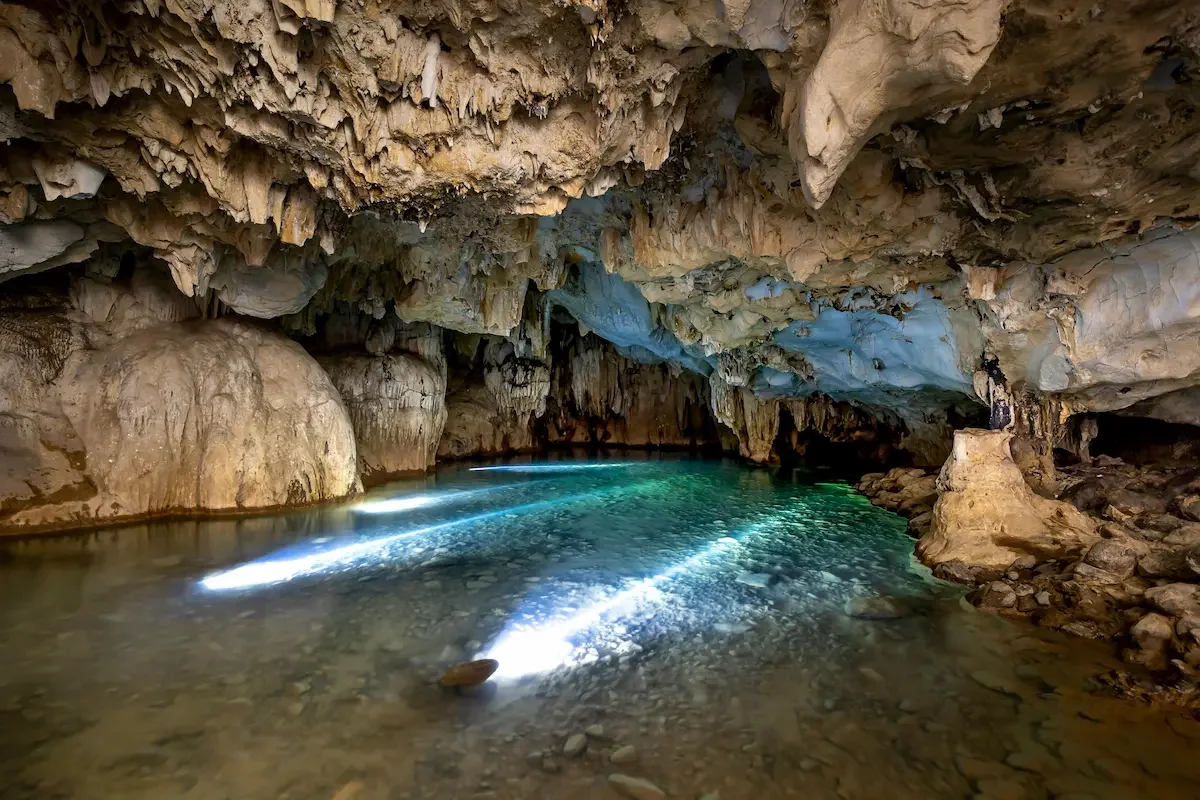
The sheer scale of this hidden architecture was historically radically underestimated. In 2015, hydrogeologist Tom Gleeson at the University of Victoria published the first comprehensive global map of the earth's deep groundwater networks. His team’s data revealed that massive, moving subterranean rivers and aquifers hold over a hundred times more active freshwater than every visible lake and surface river combined. Beneath the bedrock of seemingly arid or volatile surface landscapes, massive rivers are flowing in complete darkness.
More importantly, researchers have recently realized that this unseen water is the critical linchpin for surface biodiversity. Scientists modeling Groundwater-Dependent Ecosystems (GDEs), such as ecohydrologist Inge de Graaf, have demonstrated that the permanent fertility of surface environments is structurally anchored to these deep flows. Surface water is ephemeral, subject to rapid evaporation and seasonal drought. But subterranean rivers, insulated by massive layers of rock, remain thermally stable and physically permanent. When these underground rivers upwell through limestone fractures or artesian springs, they create hyper-fertile, self-sustaining surface ecosystems that never dry out. The most permanent green zones on the planet do not simply happen to sit above water; their entire existence is structurally dependent on the massive, invisible river networks flowing directly beneath their roots.
Islamic Context
إِنَّ الَّذِينَ آمَنُوا وَعَمِلُوا الصَّالِحَاتِ لَهُمْ جَنَّاتٌ تَجْرِي مِن تَحْتِهَا الْأَنْهَارُ ذَٰلِكَ الْفَوْزُ الْكَبِيرُ
Indeed, those who believe and do righteous deeds will have gardens beneath which rivers flow. That is the great attainment.
— Quran 85:11
In over thirty distinct passages, the Quran anchors its primary image of paradise to a highly specific spatial arrangement: jannātin tajrī min taḥtihā al-anhār—"gardens beneath which rivers flow." Surah Al-Buruj isolates this exact architecture when detailing the ultimate reward for belief. The text uses a precise preposition to define this relationship. It uses min taḥti ("from beneath") rather than fīhā ("through it") or baynahā ("between its trees"). While other passages describe rivers flowing openly across the landscape of paradise, this highly repeated phrase specifically highlights the water flowing beneath the soil, establishing this subterranean flow as the foundational life-source of the gardens above.
Commentators recognized this precise architecture. When analyzing this highly repeated phrase, Al-Tabari (d. 923) noted that it specifically positions these rivers underneath the ground, flowing directly beneath the roots of the trees. The text constructs a strict vertical relationship: the unseen water below constantly sustains the visible flora above. Ibn Kathir (d. 1373) builds on the overarching concept by linking this subterranean flow directly to the absolute permanence of the gardens. Because the roots are continuously nourished from a protected space beneath, the ecosystem is entirely immune to failure.
The early reader Ibn Abbas (d. 687) read this structural permanence as the defining feature of the Quranic paradise; unlike worldly gardens vulnerable to erratic weather, the foundational source of these heavenly spaces is locked securely beneath them. Expanding on the nature of this hidden water, Al-Qurtubi (d. 1273) noted that rivers flowing perpetually from beneath eliminate both the threat of drought and the physical toil of surface irrigation. Verse 85:11 strips away other descriptive elements to focus entirely on this absolute physical security, concluding by calling this exact arrangement "the great attainment" (al-fawz al-kabīr). The text builds the concept of eternal, unfailing gardens entirely upon the foundation of underlying rivers.
Prev Post
Next Post
The Connection
The most resilient ecosystems on Earth are structurally dependent on massive, unseen groundwater networks. The Qur’an mirrors this exact spatial architecture in its description of paradise, defining eternal gardens as those sustained by rivers flowing directly beneath them. Rather than outlining an environment dependent on fragile surface weather, the text details a landscape built on a secure hydrological foundation.
Related Connections
Springs from the Earth
Spring Water, Soil Enrichment, and the Diversity of Arid-Land Agriculture
Geoscience