Bioscience
Ripe, Fresh Dates
Scientific Context
Nutritional Density for Metabolic Stress
The date palm evolved in some of Earth's most unforgiving environments, and its fruit reflects that extreme origin. A single serving delivers natural sugars for energy, potassium for muscle function, fiber for digestion, and significant amounts of iron, magnesium, vitamin B6, and folate. This combination is highly unusual: while most fruits offer one or two prominent nutrients, dates provide a complete, dense nutritional profile in a form that requires no cooking, preparation, or tools.
The date's energy profile is distinct. Most fruits contain either glucose or fructose as their primary sugar, but dates contain both in roughly equal proportions. Glucose enters the bloodstream rapidly for immediate energy, while fructose metabolizes more slowly, sustaining that energy without a sharp spike and crash. Dates are not only engineered for acute energy; they actively sustain metabolic balance under severe physical stress. Their mineral density is immense. Dates contain significantly more potassium per gram than bananas—a mineral absolutely essential for muscle contraction, nerve signaling, and preventing cramping.
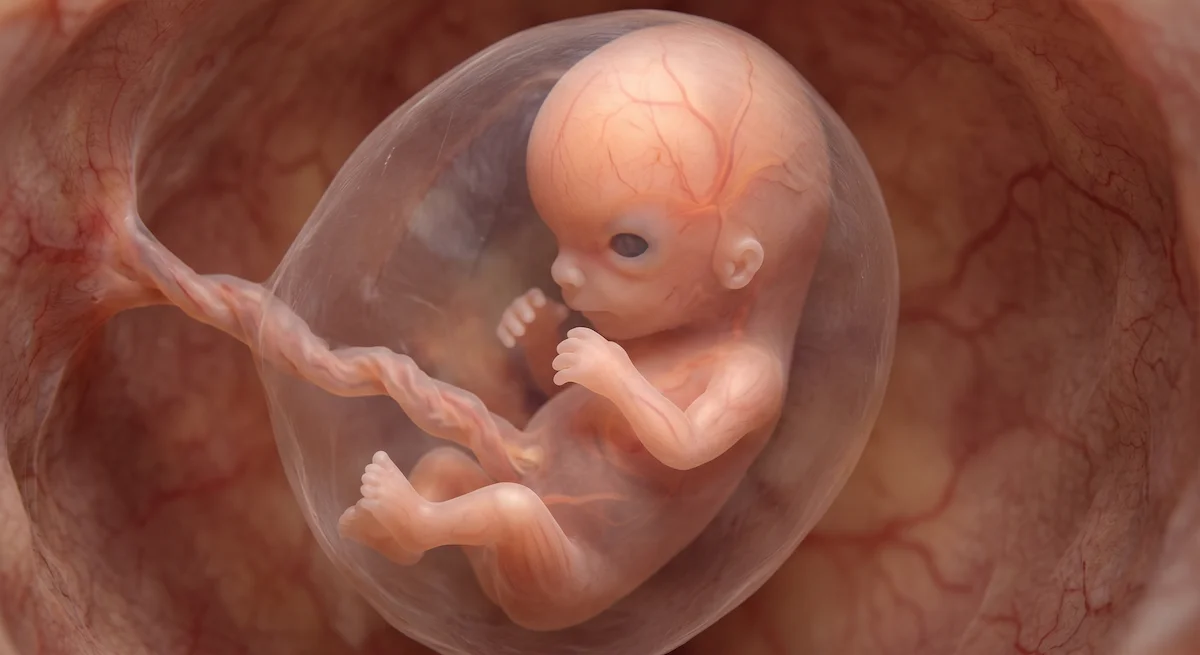
These two properties—rapid, sustained energy and immense electrolyte support—converge perfectly in the most metabolically demanding event the human body experiences: childbirth. A landmark clinical study conducted at the Jordan University of Science and Technology followed pregnant women through the final four weeks of gestation. Those who consumed six dates daily experienced significantly shorter first-stage labor, with cervical dilation progressing much faster than the control group. Furthermore, date consumption reduced the need for medical labor induction by nearly half, with 96 percent of the date-consuming group experiencing spontaneous labor onset. The fruit's natural compounds actively support cervical ripening and uterine contractility. In a state of extreme physical trauma, the date acts less like a standard food and more like a highly targeted intervention—delivering exactly the dual-sugar fuel and muscular support the body needs to navigate profound exhaustion.
Islamic Context
وَالنَّخْلَ بَاسِقَاتٍ لَّهَا طَلْعٌ نَّضِيدٌ ١٠ رِزْقًا لِّلْعَبِيدِ ١١
And tall date palms with layered fruit clusters, as provision for the servants.
— Quran 50:10-11
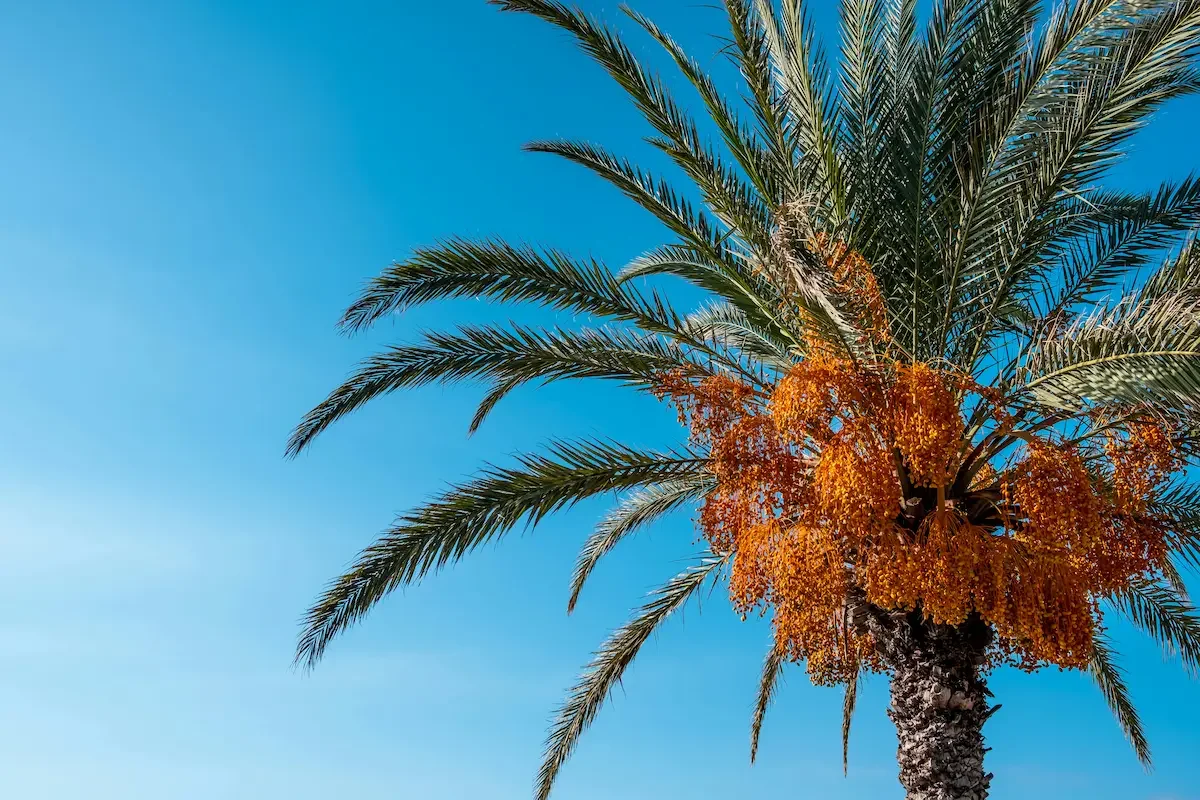
The Quran describes the date palm using two precise terms: bāsiqāt (tall, upward-reaching) and ṭalʿun naḍīd (fruit-bearing clusters layered in successive strata). Ibn Kathir (d. 1373) explained that naḍīd specifically highlights the intricate, organized stacking of the fruit. Rather than a random assortment, the dates mature along the stem in dense tiers, with each cluster reaching a different stage of readiness. This creates a biological structure of continuous, successive yielding. The following phrase, rizqan lil-ʿibād (provision for the servants), builds directly on this physical design. The classical linguist Al-Raghib al-Isfahani noted that rizq means far more than mere calories; it refers to a measured, ongoing provision—sustenance engineered to be delivered exactly when it is needed, in the exact form required.
This principle of targeted provision finds its ultimate application in Surah Maryam. While experiencing the intense metabolic stress of labor, Mary is commanded: "And shake toward yourself the trunk of the palm tree; it will drop upon you ripe, fresh dates" (Quran 19:25).
The command invokes the same palm (nakhla) established as provision in Surah Qaf, but the specification narrows dramatically. She is not given dates generally, nor dried dates (tamr) which require chewing and hydration. She is specifically given ruṭaban janiyyā—fresh, soft dates at their absolute peak of ripeness. Ibn Abbas (d. 687) observed this precision: fresh dates are soft, instantly hydrating, and immediately absorbable—exactly what someone in acute physical distress requires.
Al-Qurtubi (d. 1273) explained that this precise delivery is possible only because of the palm's layered structure (naḍīd). Because the tree bears fruit at successive stages of readiness, shaking the trunk releases only the specific tier that has reached peak maturity. The palm drops the exact biological package needed: ready-to-absorb energy perfectly calibrated for the trauma of labor.
Prev Post
Next Post
The Connection
The Quran describes the date palm as a layered structure designed to deliver precisely timed, easily absorbable provision, culminating in the specific command to consume fresh dates during the intense stress of childbirth. Modern clinical research isolates this exact physiological benefit, demonstrating how the date's unique dual-sugar profile and massive potassium density actively support uterine contractility and reduce labor duration. Both the textual narrative and clinical obstetrics name the date as a highly specialized nutritional package perfectly calibrated to sustain the body's most demanding physical exertion.
Related Connections